

SIL and SDA: what the difference actually is
One funds support, the other funds the building. Knowing which you have changes what you should be looking for.
In short
- SIL funds the support. SDA funds the building. They are separate line items.
- Most people with SIL do not have SDA, and that is normal.
- SDA sits in Capital supports and names a design category. SIL sits in Core supports.
- If you have SIL without SDA, you are looking for an ordinary home with support in it.
These two acronyms cause more confusion than anything else in disability housing, and the confusion is expensive: people spend months looking for the wrong thing.
The difference in one line
SDA pays for the building. SIL pays for the people who support you in it. You can have one, the other, or both, and they are assessed separately against different criteria.
How to tell which you have
Open your plan and look at the budget headings.
SIL appears under Core supports, as assistance with daily life in a shared living arrangement. It will be a dollar amount, usually large, often quoted annually.
SDA appears under Capital supports. It names a design category, Improved Liveability, Fully Accessible, Robust, or High Physical Support, and a building type such as apartment, villa or group home.
If there is no Capital supports line naming a design category, you do not have SDA. That is the ordinary case rather than an oversight.
Who SDA is for
Deliberately few people. SDA is intended for participants with extreme functional impairment or very high support needs, where the housing itself either reduces the support required or makes the arrangement safe at all.
Getting it added requires evidence, normally a housing assessment from an occupational therapist, and it is decided by the NDIA rather than requested from a provider.
What to look for with each
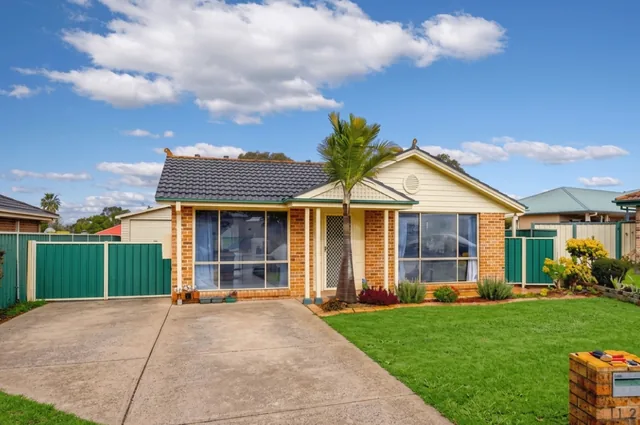
With SIL and no SDA: you are looking for an ordinary home with the right support and the right housemates. The house is a normal rental. What matters is the roster, the provider and the household, not the building's certification.
With SDA: you are looking for a certified SDA dwelling in the design category your plan names, from a registered SDA provider. The Housing Hub is the usual place to search. The support in it may come from a different provider entirely, and often should, because separating your landlord from your support provider gives you more room to move if one of them is not working out.
Why separating landlord and provider matters
If the same organisation owns your house and employs your support workers, changing provider can mean losing your home. That conflict is well recognised, and it is a reasonable question to ask any provider offering both.
For what it is worth: we do not own SDA. Our Glendenning home is an ordinary rental where we deliver SIL, so choosing us as a provider and choosing where you live stay separate decisions.
Questions
Can I get both SIL and SDA?
Yes, and people with very high support needs often do. They are assessed separately.
Is SDA better than SIL?
Neither is better; they fund different things. SDA is housing for people whose needs cannot be met in ordinary housing. If ordinary housing works for you, SDA would not be approved and would not help.
Does Vivid Support have SDA?
No. We deliver SIL in an ordinary home. If you are funded for SDA we will point you toward the Housing Hub and registered SDA providers.
Can I use a different provider for support than for housing?
Yes, and where the housing is SDA it is often the better arrangement, because it means changing support provider does not put your home at risk.
Make a referral or ask about a placement
Tell us the supports the plan funds and when they need to start. We respond the same business day.